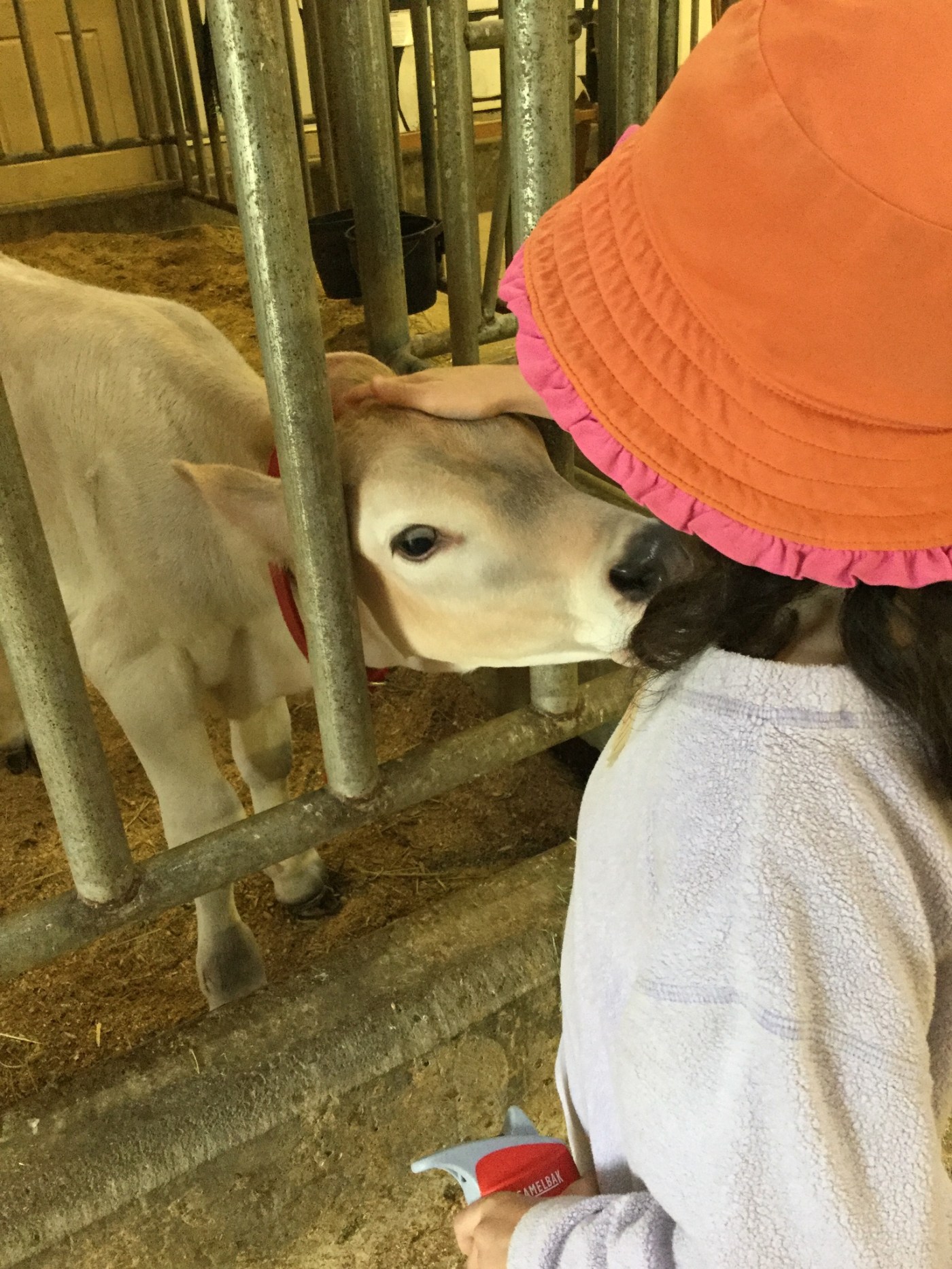
Our girl has big dreams. If you ask Kendall what she wants to be when she grows up, her immediate answer will be “animal doctor.” We’ll work on the job title later, but I can assure you that any animal in her care will certainly feel loved!
Tom and I are continuously learning how to parent a child with Kendall’s unique blend of neurological, developmental, and intellectual disabilities, but like all parents, we are ultimately preparing our kiddo for adulthood. The goals we have are pretty universal: health, safety, and satisfaction.
To be clear (because we usually focus on what she CAN do), there will be significant limitations in Kendall’s life. She won’t learn to drive or receive a high school diploma or go off to college. She won’t pursue her first job and first apartment on her own. And she won’t get married or raise a family. These examples aren’t part of all adult lives, but you get the idea; she will not be independent.
While a lot of things are still pretty unpredictable, we’re making sure that she is living her best life with the help of the incredible team that has built up around us. Our amazing family and friends, who embrace us with all of our quirks, are a critical source of strength and resilience. They are all volunteers on this team and have shared every trial and tribulation.
Outside of our personal support system, Team Kendall includes medical professionals, educators, and dedicated members of non-profit organizations.
We have access to exceptional specialized health care through the Children’s Hospital at Dartmouth (CHaD) where countless consultations, tests, and treatments continue to push her developing brain to function at its highest capacity.
Before the age of three, Kendall received Early Intervention Services through RISE for Baby and Family, which provided her with speech and occupational therapies during a crucial period in her young development.
Beginning at three-years-old, she was eligible for Special Education services through our public school system. For the past eight years, Kendall and her typically-developing peers have benefited from a phenomenal inclusive education program led by some of the most dedicated educators. Because she has always been by their side, learning in her own way, her classmates see her as part of their community, naturally including her in their day-to-day and celebrating her unique successes. The inclusion model provides Kendall with the individual support that she needs to reach her education goals and fosters a strong sense of compassion and community that the other children will take with them into adulthood.
Outside of school, Monadnock Developmental Services (MDS) has provided Kendall with incredibly caring one-on-one aides to support her at day camps for the past two summers. We are very fortunate to have a non-profit organization in our community like Stonewall Farm, which fully embraces Kendall in its programs and, again, demonstrates to all of the children that everyone belongs. Kendall gets to spend time on a working farm, learning about the animals and gaining confidence in her ability to care for them, and she’s thoroughly enjoying her summer vacation, something every kid deserves.
Tom and I have also been supported by MDS in our special needs parenting gig through respite care and a great deal of assistance in completing applications and requests for medical and in-home services. When we need to start thinking about adult services (gulp), they will be help us through those evaluation and application processes, as well.
We are doing everything we can to provide for our child; we are both well-employed, we have access to adequate health coverage and care, we have an amazing support system, and we actively advocate for her needs. We prepare for the future of our family by putting as much as possible into our retirement (AKA, forever-parenting) plans, and we are able to rely on our relationship and the love of Team Kendall to keep us grounded and headed in the right direction.
I must say, though, that this is not the norm in the special needs parenting community, as there are so many who struggle because of the physical and emotional care their child requires. The strain of this type of parenting puts jobs, marriages, and family relationships in jeopardy. In most cases, individuals with disabilities reach adulthood with little family support available.
In the 2016-2017 school year, roughly one out of every eight children attending public schools in the US received special education services. Kendall is not alone. Providing these children with educational services that meet their unique needs is not only required by law, but it has a tremendous impact on how prepared each child will be for adulthood and, therefore, the level of support they will need from their family and community. Investing in educational and support services during childhood benefits all involved.
Because the well-being of all people, including my own child, is important to me, I ask you to take a good hard look at the terrifying impact the American Health Care Act (AHCA)–AKA TrumpCare–will have on some of the most vulnerable among us. The educational and support services Kendall receives now and the health and community services she will rely on in adulthood are made possible through Medicaid funding (more information found here and here). Without Medicaid funding, these programs and services quite simply will not be able to exist. It doesn’t matter how much money we save; if the services that Kendall needs for a healthy, safe, and satisfying life aren’t available, I’m not sure what her future holds. Since she will hopefully out-live us, I want to feel confident that her needs will be met.
For more information on the services people with disabilities stand to lose under TrumpCare and easy things you may do to help Kendall and so many others like her, check out the Easterseals advocacy page.
Please. Our child deserves a bright future, too.
 Team Kendall
Leave a comment